Welcome to
Palo Alto
The Birthplace of Silicon Valley
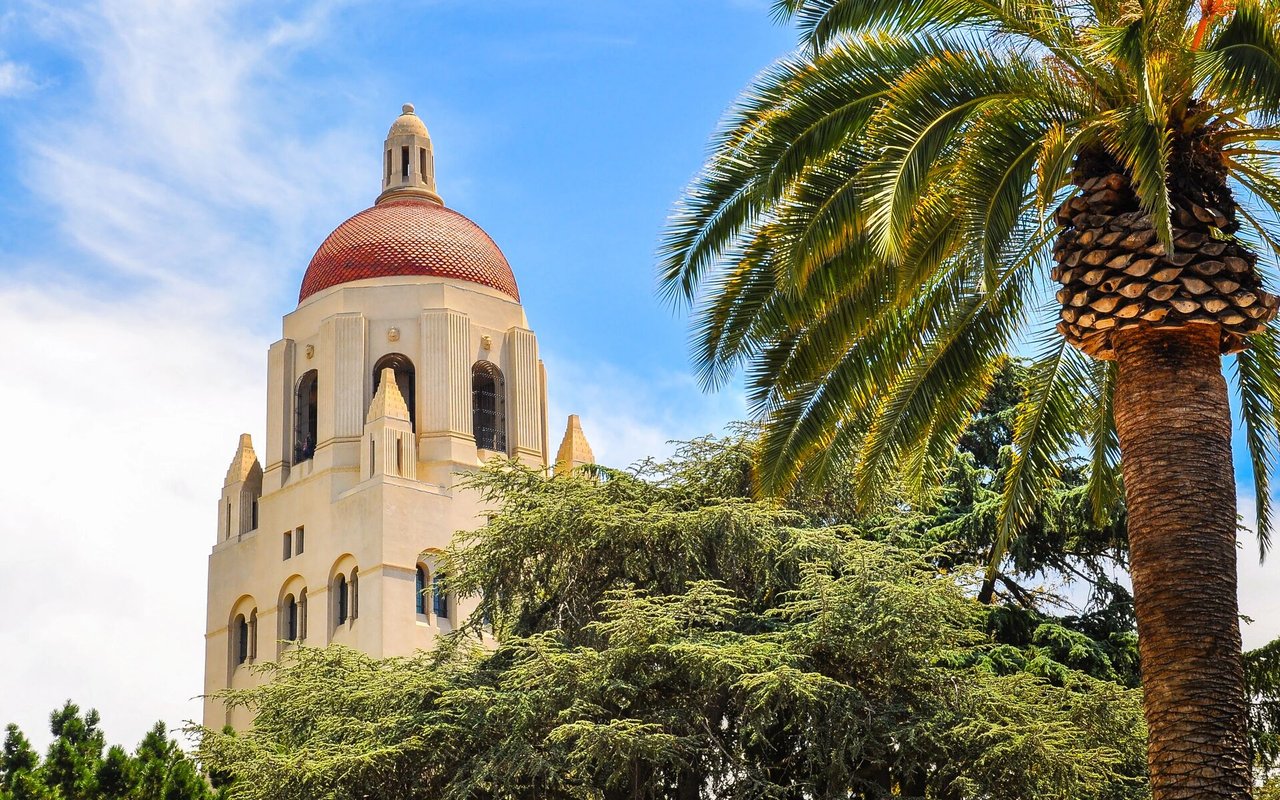
Palo Alto is known around the world for innovation, but what makes it such a desirable place to live is the lifestyle it offers beyond the technology industry. It has highly regarded schools, beautiful neighborhoods, excellent restaurants, and an active, engaged community.
Downtown Palo Alto and California Avenue are both walkable areas with wonderful restaurants, coffee shops, boutiques, and local businesses. Stanford University and Stanford Shopping Center provide even more dining, cultural, educational, and recreational opportunities.
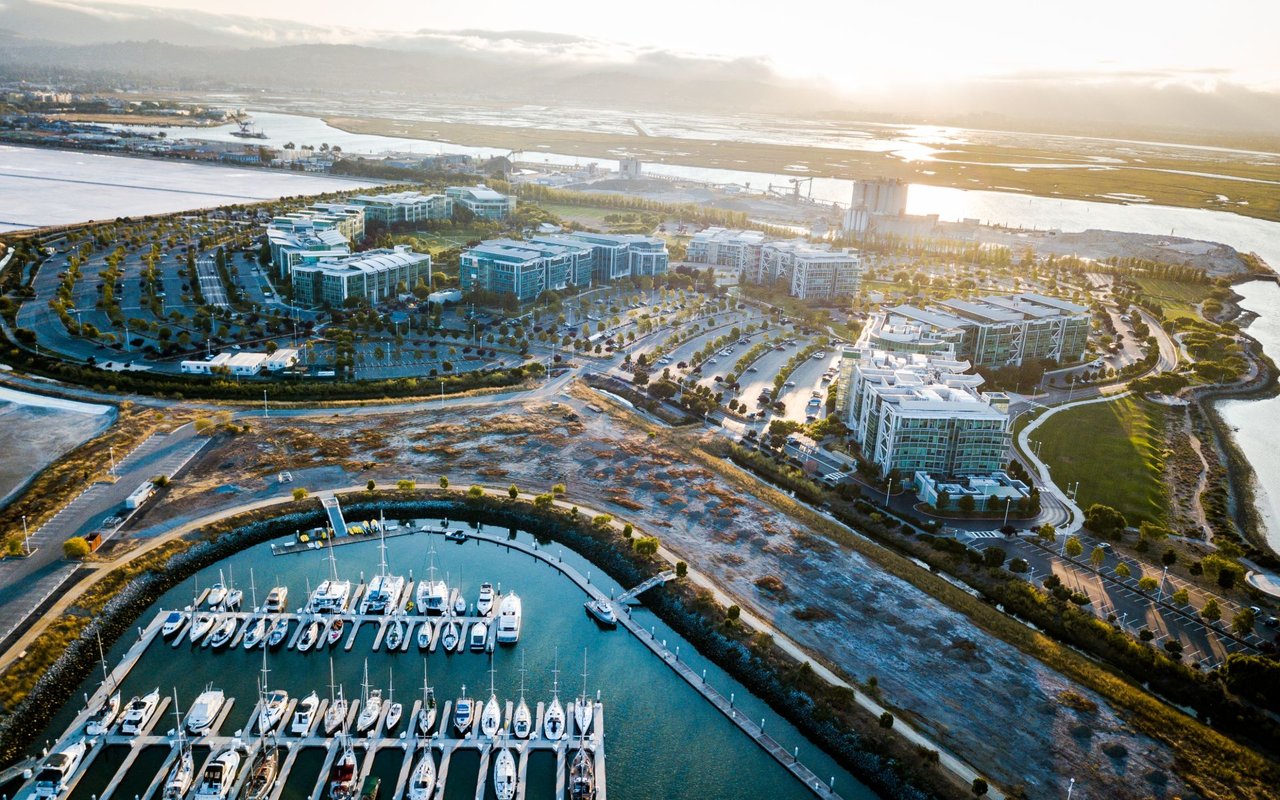
Families have access to an exceptional variety of sports, camps, clubs, arts programs, and activities. There are numerous parks and playgrounds throughout the city, along with community centers, libraries, sports fields, swimming facilities, and miles of bicycle-friendly streets. The Baylands Nature Preserve is perfect for walking, biking, and birdwatching, while nearby Foothills Nature Preserve and the surrounding hills offer hiking, natural beauty, and incredible views.
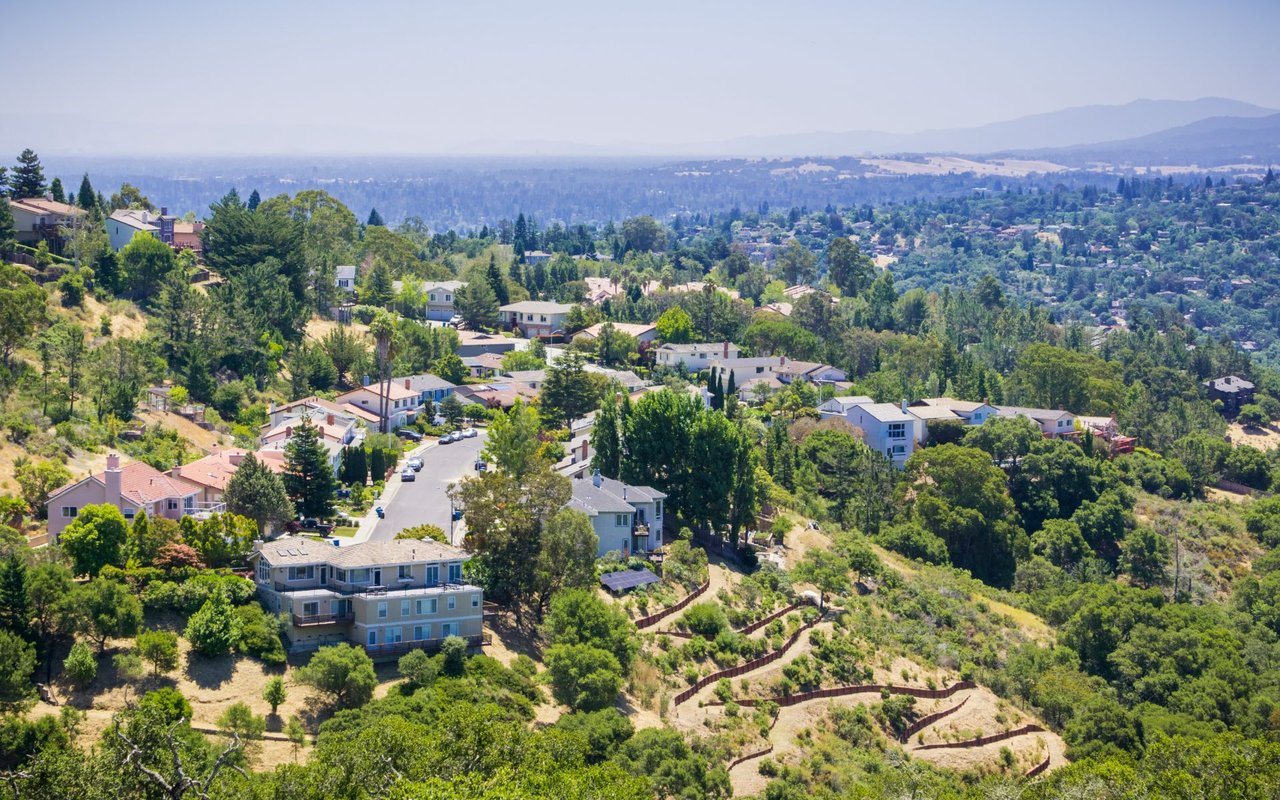
Palo Alto is centrally located between San Francisco and San Jose, with convenient access to Highway 101, Interstate 280, Caltrain, and both major airports. Each neighborhood has its own feel, from the energy and walkability near downtown to the larger lots, peaceful streets, and privacy found closer to the hills. It offers a rare combination of education, community, culture, outdoor living, and convenience.
67,231 people live in Palo Alto, where the median age is 42.5 and the average individual income is $121,565. Data provided by the U.S. Census Bureau.
Total Population
Median Age
Population Density
Average individual Income
Palo Alto has 26,054 households, with an average household size of 2.55. Data provided by the U.S. Census Bureau. Here’s what the people living in Palo Alto do for work — and how long it takes them to get there. Data provided by the U.S. Census Bureau. 67,231 people call Palo Alto home. The population density is 2,795 and the largest age group is Data provided by the U.S. Census Bureau.
Total Population
Population Density Population Density This is the number of people per square mile in a neighborhood.
Median Age
Men vs Women
Population by Age Group
0-9 Years
10-17 Years
18-24 Years
25-64 Years
65-74 Years
75+ Years
Education Level
Total Households
Average Household Size
Average individual Income
Households with Children
With Children:
Without Children:
Blue vs White Collar Workers
Blue Collar:
White Collar:
ADDRESS 662 Laurel Street, Suite A San Carlos CA 94070
ADDRESS 662 Laurel Street, Suite A San Carlos CA 94070