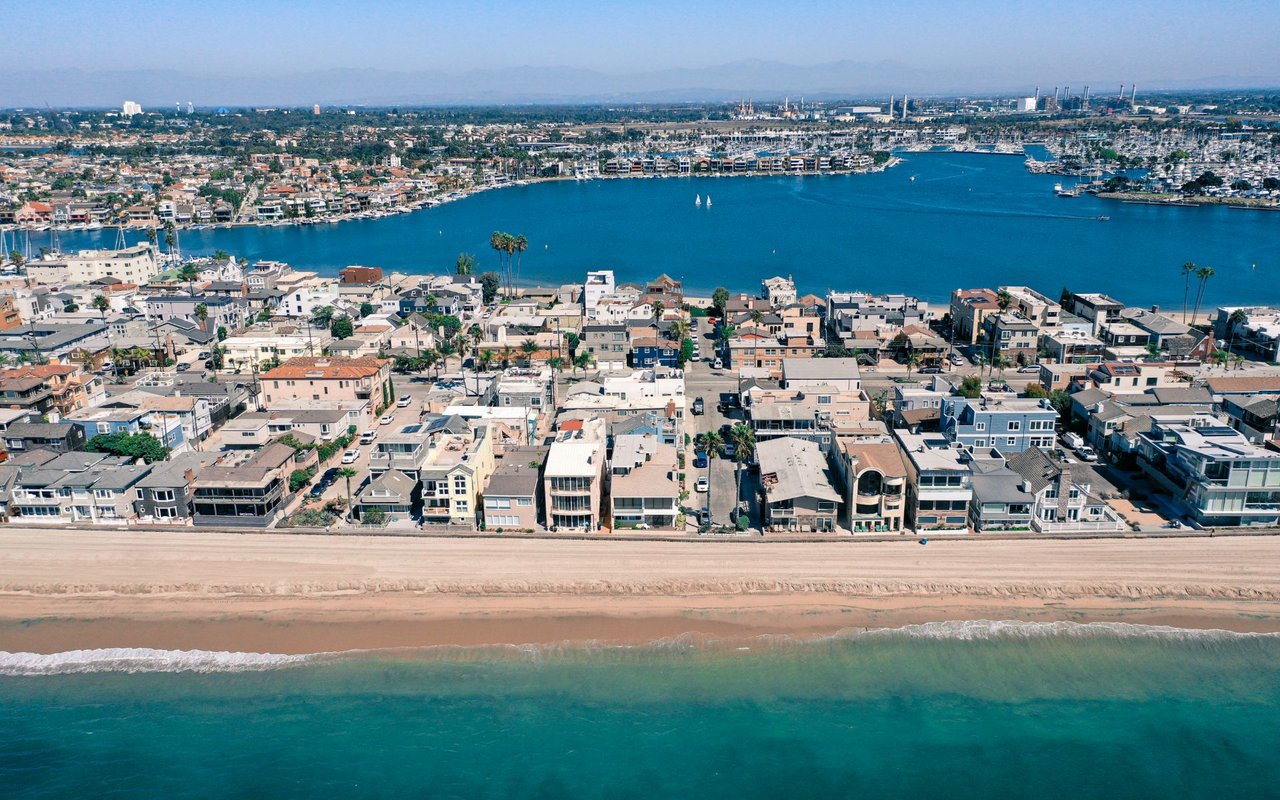
Welcome to
Belmont
A Fine Place to Live
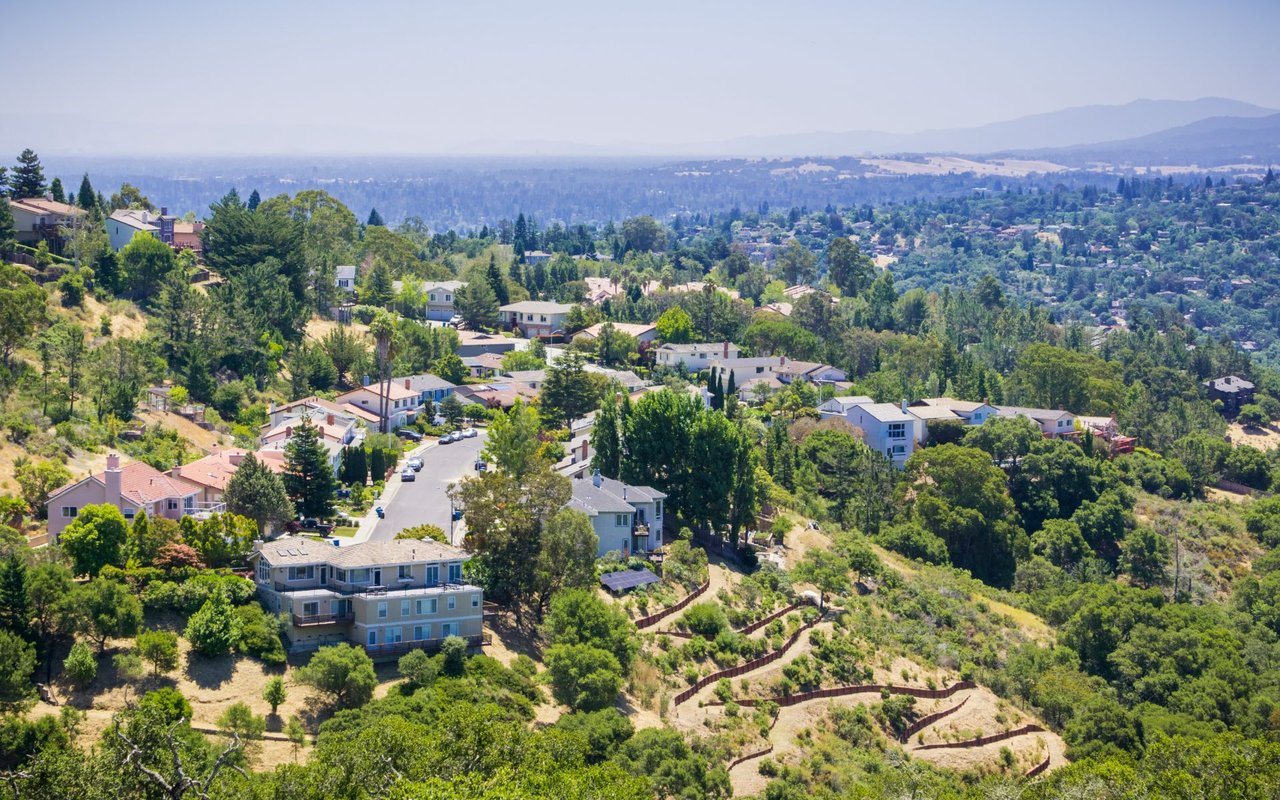
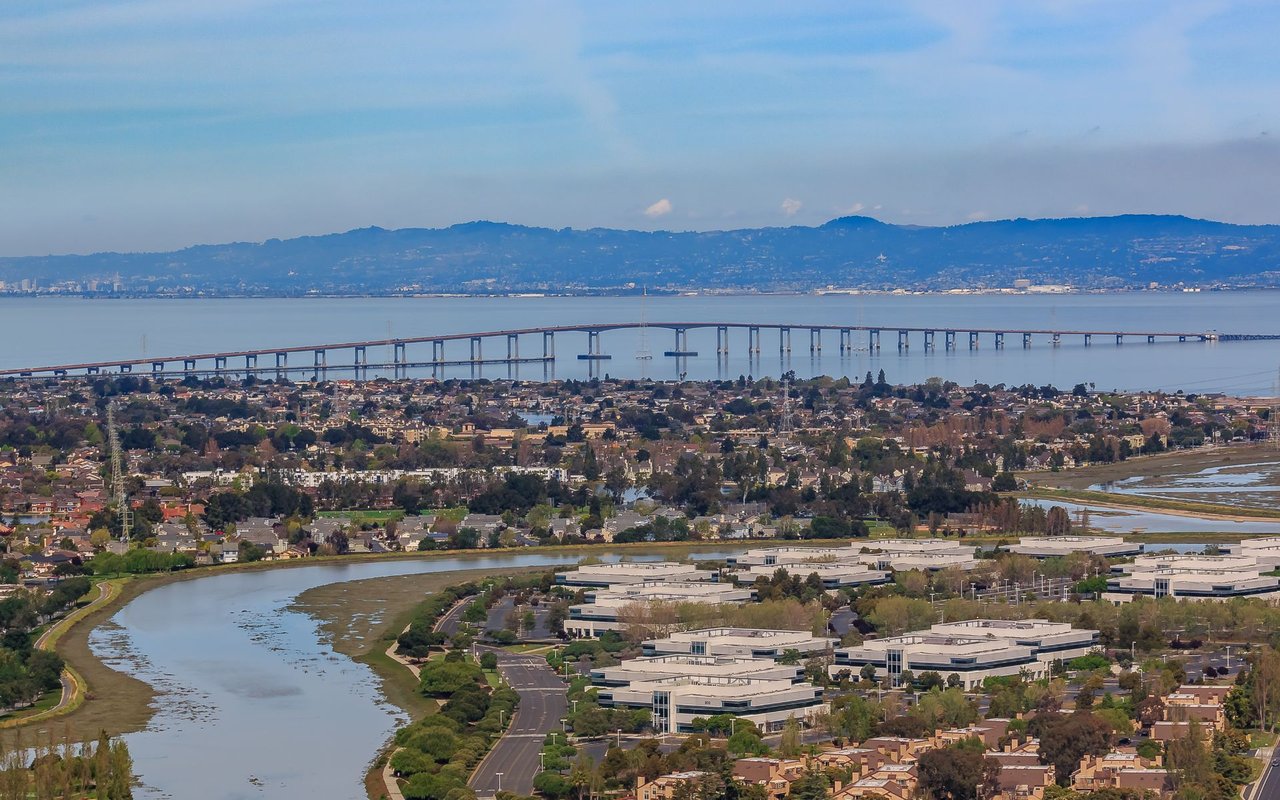
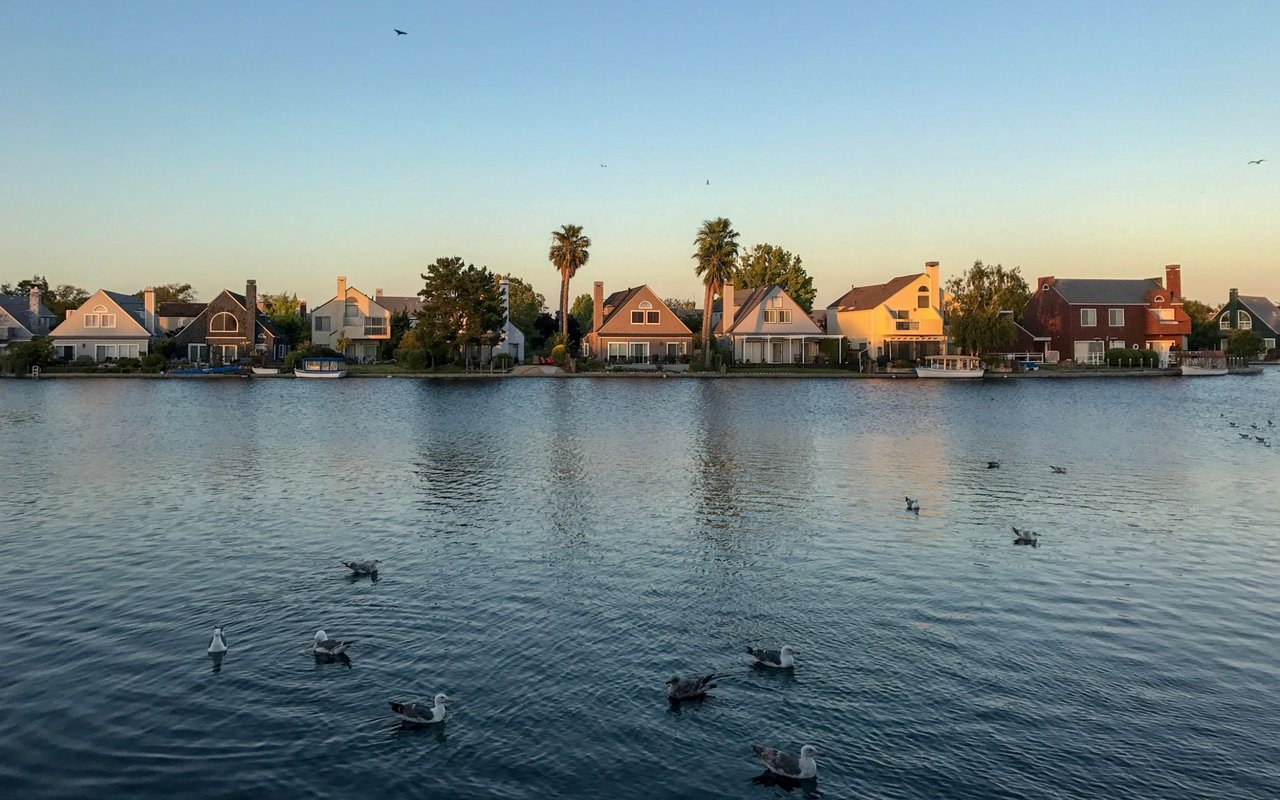
Belmont has a peaceful, residential feel while still being extremely central and convenient. Much of the city is built into the hills, giving many homes beautiful views of the Bay, surrounding canyons, and Peninsula. The winding streets, mature trees, and natural setting make it feel quieter and more private than some of the neighboring communities.
The schools are a major attraction for families, and Belmont has a strong community where people tend to know their neighbors and stay involved. There are plenty of youth sports, camps, and activities, along with wonderful parks and playgrounds. Twin Pines Park is a community favorite, and Waterdog Lake offers miles of trails for hiking, biking, running, and simply getting outdoors.
Belmont’s downtown is smaller than those of San Carlos or San Mateo, but there are still good local restaurants, coffee shops, and everyday conveniences. You’re also only minutes from the restaurants and shopping in both neighboring cities.
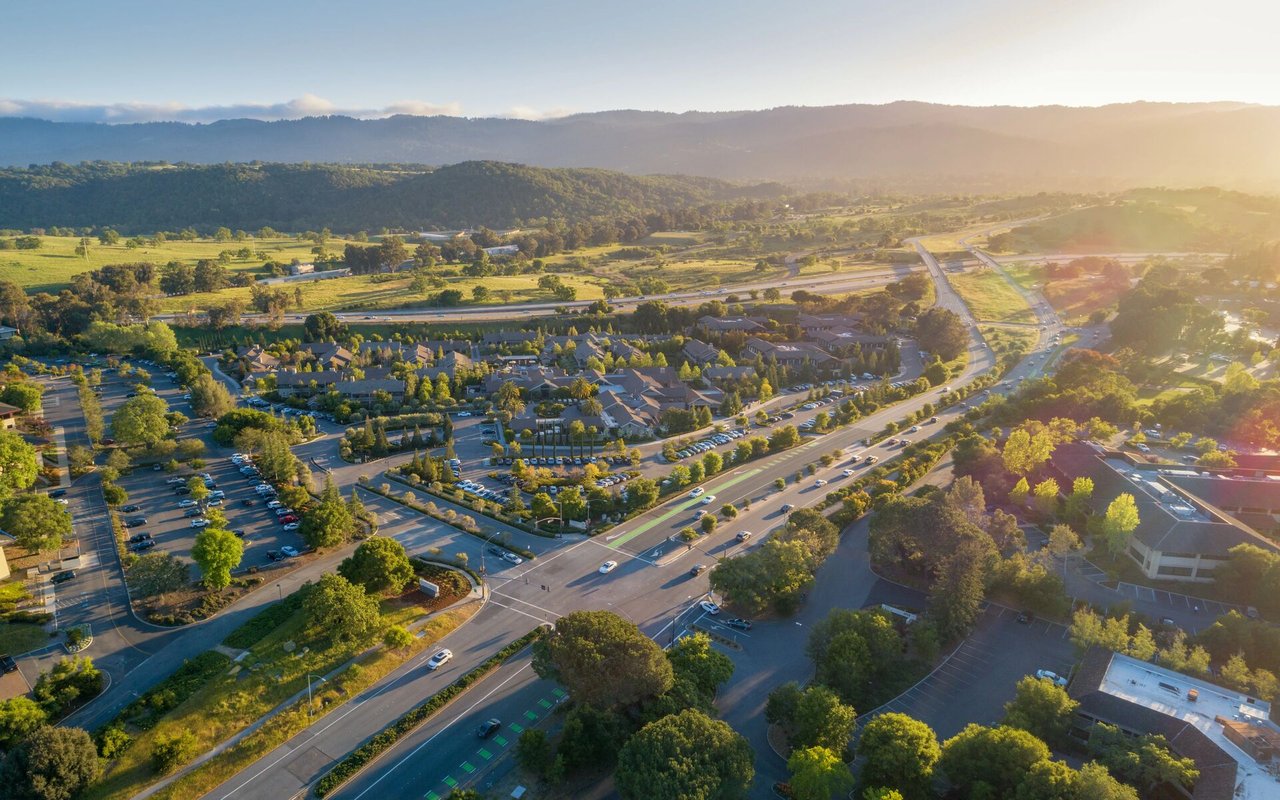
With access to Highway 101, Interstate 280, and its own Caltrain station, Belmont is an excellent central location for commuting throughout the Peninsula. San Francisco International Airport is also nearby. Belmont is ideal for someone who wants great schools, a strong community, beautiful surroundings, and a quieter neighborhood feel without giving up convenience.
27,730 people live in Belmont, where the median age is 40.4 and the average individual income is $98,027. Data provided by the U.S. Census Bureau.
Total Population
Median Age
Population Density
Average individual Income
Belmont has 10,608 households, with an average household size of 2.54. Data provided by the U.S. Census Bureau. Here’s what the people living in Belmont do for work — and how long it takes them to get there. Data provided by the U.S. Census Bureau. 27,730 people call Belmont home. The population density is 4,930 and the largest age group is Data provided by the U.S. Census Bureau.
Total Population
Population Density Population Density This is the number of people per square mile in a neighborhood.
Median Age
Men vs Women
Population by Age Group
0-9 Years
10-17 Years
18-24 Years
25-64 Years
65-74 Years
75+ Years
Education Level
Total Households
Average Household Size
Average individual Income
Households with Children
With Children:
Without Children:
Blue vs White Collar Workers
Blue Collar:
White Collar:
ADDRESS 662 Laurel Street, Suite A San Carlos CA 94070
ADDRESS 662 Laurel Street, Suite A San Carlos CA 94070